
The Psychology of Scent and Recovery
Jenna Klier
1/9/20262 min read
How Smell Shapes Calm, Memory, and the Nervous System
There are certain moments when the body relaxes before the mind realizes it’s allowed to.
A deep breath.
A familiar warmth.
A subtle scent in the air that signals: you’re safe now.
Smell is one of the most powerful—and most overlooked—tools in recovery.
We often think of recovery as physical: sore muscles, tired joints, the need for rest. But true recovery begins deeper than that. It begins in the nervous system. And scent speaks to that system faster than words, logic, or intention ever could.
⸻
Why Scent Is Different
Unlike sight or sound, smell bypasses conscious processing.
When you inhale a scent, it travels directly to the limbic system—the part of the brain responsible for emotion, memory, and survival responses. This is why a single smell can instantly bring back a memory, shift your mood, or soften your breath without effort.
Your body doesn’t need to decide how to react.
It responds instinctively.
This is why scent can be such a powerful signal for recovery. It communicates with the body in a language older than thought.
⸻
Scent as a Nervous System Cue
For athletes and high performers, the nervous system is often stuck in a state of readiness—alert, driven, braced for effort.
That state is useful during training.
It’s not sustainable long-term.
Recovery requires a clear signal that the work is done.
Scent can become that signal.
When a specific fragrance is paired consistently with rest—quiet evenings, low light, slower breathing—the body begins to associate that scent with safety and restoration. Over time, the response becomes automatic.
The moment the scent is present, the nervous system starts to downshift.
Heart rate slows.
Breathing deepens.
Muscle tension softens.
Not because you forced it—but because the body recognizes the cue.
⸻
Memory, Emotion, and Ritual
Scent is deeply tied to memory. This can work against us or for us.
Unintentional scents—stressful environments, artificial fragrances, overstimulation—can keep the body in a subtle state of alert.
Intentional scent, on the other hand, can anchor recovery.
A familiar aroma used only during moments of rest becomes a ritual. Not a routine to check off, but a sensory marker that separates effort from recovery.
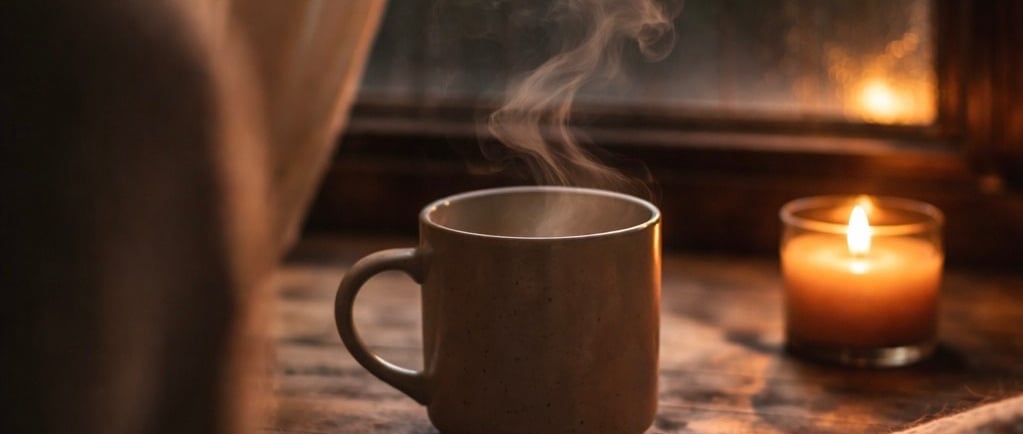
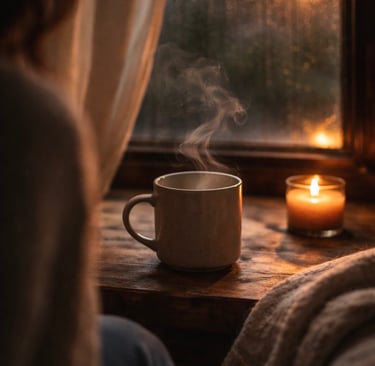
Lighting a candle at the end of the day.
Breathing in before bed.
Allowing the body to recognize the transition.
These small rituals matter more than we often realize.
⸻
Recovery Is Psychological, Too
Recovery isn’t just about repairing muscle fibers.
It’s about exiting survival mode.
It’s the moment when the body feels safe enough to stop scanning, stop bracing, stop holding tension it no longer needs.
Scent supports this process quietly.
Gently.
Without demand.
It doesn’t push.
It invites.
⸻
Choosing Scent With Intention
Not all scents serve the same purpose.
Some stimulate.
Some ground.
Some calm.
Some comfort.
The key is consistency and intention—not intensity.
A scent doesn’t need to be strong to be effective. In fact, the most supportive fragrances are often subtle, warm, and steady. They don’t ask for attention. They create an atmosphere.
An environment where recovery can happen naturally.
⸻
The Quiet Work
The most powerful recovery tools rarely look dramatic.
They are quiet.
Repetitive.
Gentle.
Scent works in the background, supporting the nervous system while the body does what it already knows how to do—restore, regulate, and reset.
This is not about escaping effort.
It’s about making effort sustainable.
Because strength isn’t built only in motion.
It’s built in the moments when the body is allowed to rest.
Contact
Questions? Reach out anytime, we’re here.
Phone
Jenna.edencandles.store@gmail.com
© 2025. All rights reserved.
Refund and Return Policy
Policies